
Trade Payables What Are They, Vs Trade Receivables

The payment date, amount, and method are known to a business for its payables. It means AP represents a certain liability that a business can identify and is payable at a certain future date. Selecting team members for your accounts payable department who possess these skills is important to guarantee the smooth and efficient operation of your organization’s AP department. We’ve listed the above professionals based on their responsibilities, with accounts payable clerks being the most hands-on and operational (usually entry-level). 受領した商品やサービスのうち、売り手に未払いの金額Accounts payable is amount due to sellers for goods or services received that have not yet been paid for. On January 10th, ABC Furniture Company purchases $5,000 worth of wooden materials from Wood Suppliers Inc.
- One must also remember that accounting for such liabilities enables firms to determine the cost incurred to do business.
- Since such liabilities come with an interest rate the accountant is likely to classify them as long-term debts.
- Trade payable is paid off according to the due dates or payment terms mentioned on the invoice and processed by the accounts payable department.
- ABC Company will record accounts payable of $75,000 in its account books initially.
- Individuals new to the world of finance often think that accounts and trade payables are the same thing.
Best Practices for Trade Payables Management
By understanding these two types of payables and choosing the right option based on your specific requirements will help ensure smooth operations and successful business dealings. Accounts payable refers to money owed by a company for goods or services purchased https://www.bookstime.com/articles/trade-payables on credit. This typically includes items such as office supplies, equipment rentals, and utilities.
Accounts payable vs accounts receivable

The outstanding payment owed to suppliers and vendors by a business will remain constant until the payment obligation is fulfilled (i.e. the Online Bookkeeping payment is paid for in-full via cash). If a company’s accounts payable balance grows, the company’s cash flow increases (and vice versa) — albeit, the obligation to pay in-full using cash is mandatory. Every business has to pay taxes, and the amounts they owe to the government are recorded as tax payables.

Everything You Need To Master Financial Modeling
Bills payable are typically used for larger transactions or long-term supplier agreements. Trade payables are reported on your balance sheet in the liabilities section. It is the total amount receivable to a business for sale of goods or services provided as a part of their business operations.
- If this occurs 18 times in a year, the net annual savings will be approximately $301 $16.78 X 18 times; or $360 per year saved minus the annual interest paid to the bank of $59 ($980 X 6%).
- While Account Payable refers to how much a business owes, Accounts Receivable (AR) encompasses the money owed to the business.
- If you find a vendor willing to sell on credit, it could be they have an ulterior motive.
- Both accrual and accounts payable are accounting entries that appear on a company’s financial statements.
- However, when mismanaged, they can lead to missed payments, strained partnerships, and financial instability.
- Timely payments improve a company’s creditworthiness—leading to better financial stability and growth opportunities.
Does accounts payable go on the income statement?
- By contrast, if a company receives a $200 invoice for operating expenses, it records a $200 credit in the accounts payable field of the ledger.
- By optimizing trade payables, businesses can reduce reliance on short-term financing, lowering overall borrowing costs while maintaining financial flexibility.
- In the case of electronic payments, the Accounts Payable team initiates the transfer of funds to the vendor’s bank account.
- Accounts Payable, while broader, involves simpler vendor transactions and general expense tracking.
- Open communication with suppliers and organised AP workflows go a long way in preventing issues and optimising your working capital.
- Effectively managing trade accounts payables and receivables is crucial for optimizing cash flow, maintaining strong supplier relationships and ensuring operational efficiency.
- Because it’s not exhausted in the production of their goods, the machine is categorized as accounts payable.
The invoice is received by the accounts payable (AP) department of the company, marking the conclusion of the invoice management process. The change in accounts payable is recorded on the cash flow statement (CFS) in the cash flow from operating activities (CFO) section. Conversely, if the company is the party that owes cash to a supplier or vendor, the issuance of the payment to settle these debt is recorded as a debit on the “Accounts Payable” account. Other types of payables, such as accrued expenses, dividends payable, or wages and social securities payable, are recorded in other accounts in order to more easily identify them. The journal entry for Accounts Payable involves recognizing a liability when a company receives goods or services on credit and recording the eventual payment to settle the liability.
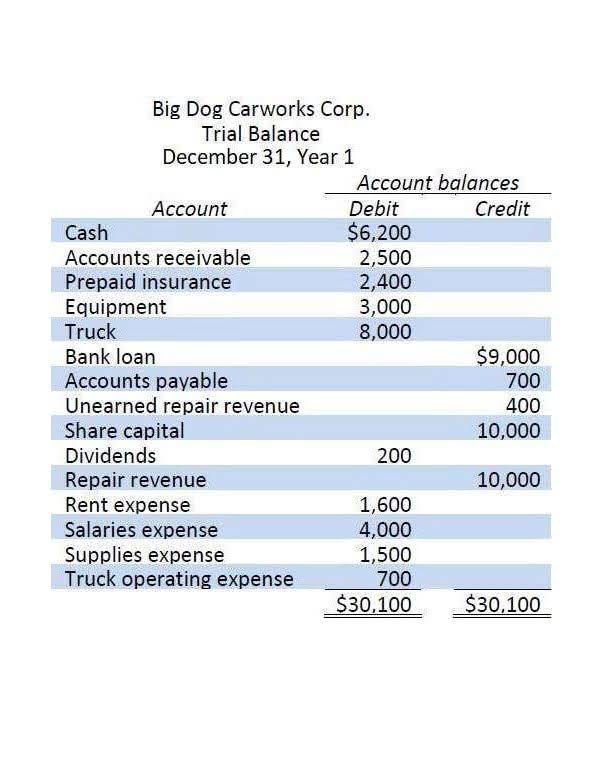
These short-term liabilities represent the money a company owes to suppliers for goods and services received on credit. Keeping track of trade payables is essential for maintaining positive supplier relationships, managing cash flow, and ensuring financial stability. Accounts payable refers to short-term payments owed by a business to its suppliers, which are shown as a liability on a company’s balance sheet. For example, if a company purchases goods or raw materials on credit which needs to be paid back in a short period of time, it is called accounts payable. Summit’s spend management software simplifies trade payable management by centralising all payable data in one platform, giving businesses a clear view of outstanding debts. It automates invoice approvals and payment processing, reducing manual work and errors.
Ready to transform your procurement processes?
Automating your accounts payable workflow speeds up invoice processing and ensures your vendors receive payments accurately and on time. In return, vendors are likely to deliver goods swiftly and offer future discount opportunities. Still, it is essential to know that the trade accounts payable process also plays a crucial role in the daily business mechanisms to keep vendor relationships on a positive track.
Trade payable directly affects the supply chain, whereas accounts payable affects overall finances of the company. Managing both these functions are therefore essential for the health of your company. Adopting AP automation software will allow you to automate mundane tasks accurately while gaining complete visibility over your finances. Managing trade payables is a key part of running a business, especially for companies in Singapore where supply chains and vendor relationships are complex. Trade payables represent the amounts a business owes to income statement suppliers for goods and services purchased on credit.